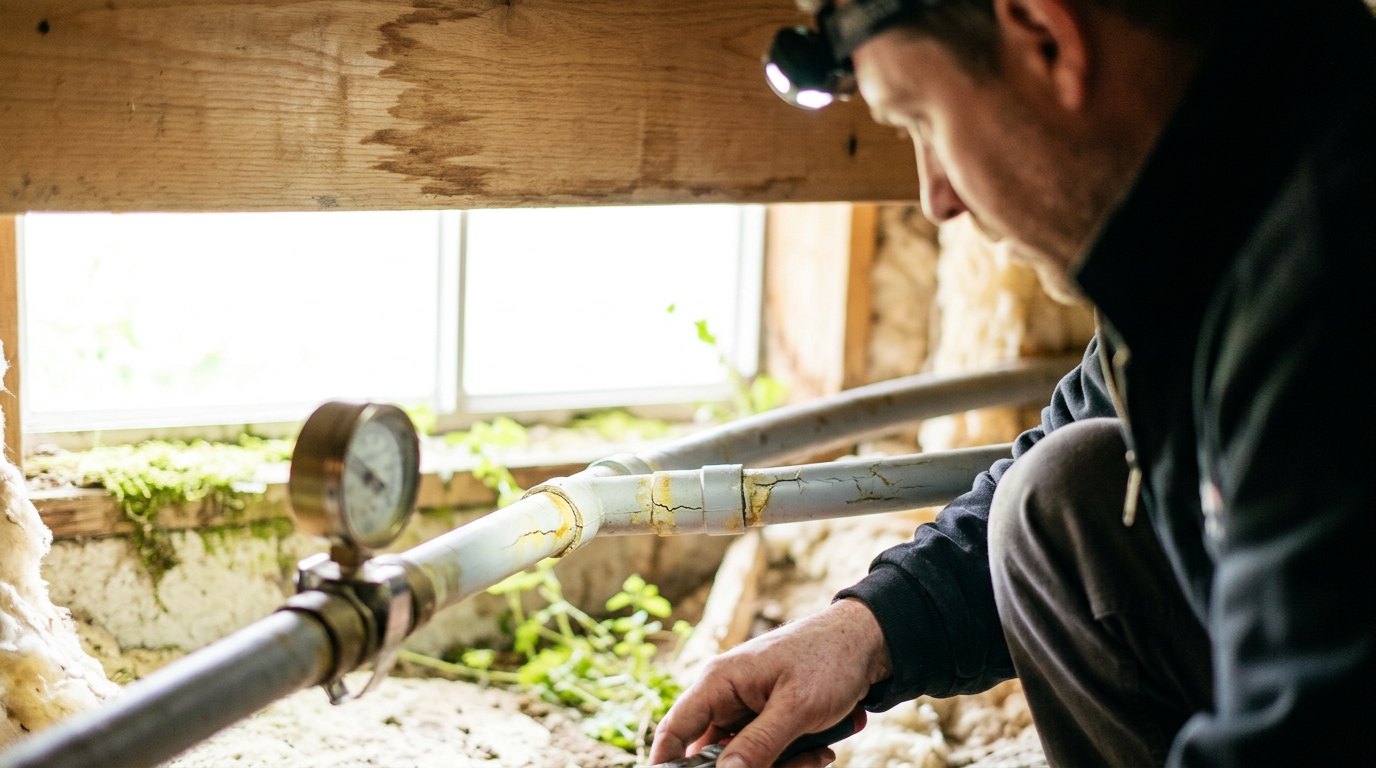
Replacing your home's plumbing is one of the most disruptive and expensive home improvement projects you can undertake - but when pipes fail, it's non-negotiable. A full repipe on an average 2,000-square-foot home costs between $8,000 and $20,000 in 2026, depending on pipe material, home layout, and local labor rates. Know what you're getting into before signing a contract.
Signs You Actually Need a Full Repipe
Not every plumbing problem requires replacing the entire system. A single corroded joint or cracked pipe is a repair, not a replacement. You're looking at a full repipe when you see several of these warning signs together:
- Water discoloration: Brown, orange, or rust-colored water from multiple fixtures points to widespread pipe corrosion, not a localized issue.
- Recurring leaks: If you've patched three or more leaks in two years, the pipes themselves have degraded.
- Low water pressure throughout the house: Mineral buildup inside galvanized steel pipes restricts flow over time and can't be cleaned out economically.
- Pipes older than 50 years: Galvanized steel has a lifespan of 40–70 years. Original copper in homes built before the 1970s is often at or past its service limit.
- Polybutylene pipes: Homes built between 1978 and 1995 may contain polybutylene (PB) piping, which is prone to catastrophic failure and was the subject of major class-action litigation. Replace it immediately if it's in your home.
Pipe Material Options: A Direct Comparison
The material you choose for your repipe determines cost, longevity, and maintenance needs. Here's how the four main options stack up:
Material
Lifespan
Cost (per linear foot, installed)
Best For
Copper
50–70+ years
$8–$16
Long-term reliability, high home resale value
PEX (cross-linked polyethylene)
40–50 years
$4–$8
Flexible routing, freeze resistance, budget remodels
CPVC
50–75 years
$5–$10
Hot and cold supply lines, straightforward layouts
Galvanized Steel
40–70 years
$9–$18
Rarely used in new installs - being phased out
PEX is the most popular choice for residential repiping projects today. It's flexible enough to snake through walls without as many access cuts, it resists freezing better than copper, and it costs roughly half as much to install. Copper remains the gold standard for home resale value and is the preference in areas with aggressive water chemistry.
The Permitting Process - Don't Skip It
A full repipe requires a permit in virtually every U.S. municipality. Pulling a permit isn't just bureaucratic box-checking - it protects you legally and financially. Without a permit, your homeowner's insurance can deny water damage claims related to the work, and you can face mandatory removal and reinstallation when you sell the home.
A reputable plumbing contractor pulls the permit on your behalf and schedules the required inspections. If a contractor tells you permits "aren't necessary" or charges you extra to avoid them, walk away.
Permit costs vary by location but typically run $200–$600 for a full residential repipe. Factor this into your budget from the start.
How Much of Your Home Gets Torn Apart
This is the part most homeowners underestimate. To replace supply lines inside walls, plumbers need access. That means cutting drywall. A conventional repipe of a two-story, 3-bedroom home involves 20–50 individual wall and ceiling cuts. You'll need a drywall contractor to patch and repaint after the plumber finishes.
The total project timeline typically breaks down like this:
- Plumbing work: 2–5 days for a crew of 2–3 licensed plumbers
- Inspection: 1–3 business days to schedule after work is complete
- Drywall patching and paint: 3–7 days, depending on the number of cuts
Budget an additional $1,500–$4,500 for drywall restoration. Some full-service plumbing companies include patch work in their repipe packages - ask explicitly before signing.
Water Heater and Fixture Compatibility
A repipe is the right time to evaluate your water heater. If your water heater is more than 10 years old, replacing it during the repipe saves labor costs you'd otherwise pay separately. Tankless water heaters require dedicated gas lines or high-amperage electrical circuits - your plumber and electrician need to coordinate if you're upgrading.
Also confirm that your existing fixtures are compatible with your new pipe material. PEX uses push-fit or crimp fittings that connect directly to most modern valves and fixtures, but older fixture connections sometimes require adapter fittings. This is not a major expense, but it adds up if every fixture needs adapters.
Choosing the Right Plumbing Contractor
A repipe is not a job for the lowest bidder. Vet every contractor against these non-negotiable criteria:
- State plumbing license: Verify it directly on your state licensing board's website - don't take their word for it.
- Liability insurance and workers' compensation: Request certificates before work starts. If a pipe bursts during the job, you need this.
- Written, itemized quote: The quote should specify pipe material, brand, diameter, number of fixtures, and what's excluded (like drywall repair).
- Warranty: Reputable contractors offer at least a 1-year labor warranty. Many PEX manufacturers offer 25-year material warranties.
- References from repipe jobs specifically: Routine service work and full repiping are different skill sets. Ask for three references from whole-home repipe projects completed in the last 18 months.
Get three written quotes. Expect them to vary by 20–40%. The middle quote is rarely a coincidence - it usually reflects fair market pricing for your area.
Plan for Temporary Water Disruption
Your water will be shut off for the majority of each workday during the repipe. Arrange alternative accommodations, water storage, or a temporary water supply for cooking and hygiene. For a family of four, stock at minimum 10 gallons of drinking water per day the water is off. Most plumbers restore water service each evening so you can use facilities overnight, but confirm this schedule in writing before work begins.
Replacing Your Home's Plumbing FAQ
How long does a whole-house repipe take?
A full repipe on an average 2,000–2,500 square foot single-family home takes 2–5 days for the plumbing work itself. Adding inspection scheduling and drywall restoration, expect the total project to span 10–20 days from start to finish.
Is PEX or copper better for a whole-house repipe?
PEX costs roughly 40–50% less to install than copper and is more flexible, making it easier to run through existing walls. Copper lasts longer (50–70+ years vs. 40–50 for PEX) and is preferred by some buyers at resale. In areas with acidic water, copper can corrode faster - PEX is the more consistent performer in those conditions.
Does homeowner's insurance cover the cost of repiping?
Standard homeowner's insurance does not cover repiping due to normal pipe aging or wear. Insurance typically covers sudden, accidental water damage caused by a pipe failure - not the cost of replacing the pipes themselves. Some policies cover damage repair to walls and flooring from a burst pipe, but the pipe replacement is out of pocket.
Do I need to move out while my house is being repiped?
Most homeowners stay in the home during a repipe. Water is typically restored each evening. However, if you have young children, pets, or anyone with respiratory sensitivities, the drywall dust during the patching phase is a real consideration. Discuss the daily work schedule with your contractor and plan accordingly.
What is the biggest mistake homeowners make when repiping?
Failing to budget for drywall restoration. The plumbing quote rarely includes patching and repainting, and homeowners are shocked when a $12,000 repipe quote becomes a $16,000 total project after drywall work. Get a drywall restoration quote from a separate contractor before signing the plumbing contract, so your total budget is accurate from day one.