Frozen pipes burst when water expands inside them - and a single burst pipe can release 250 gallons of water per day, causing thousands of dollars in structural damage. The good news: preventing frozen pipes costs almost nothing if you act before temperatures drop.
Pipes freeze when the surrounding air temperature falls to 20°F (-6°C) or below for a sustained period. Pipes in unheated spaces - crawl spaces, attics, garages, and exterior walls - are the highest-risk locations in any home. Follow the steps below to eliminate that risk before winter arrives.
1. Insulate Every Exposed Pipe
Pipe insulation is the single most effective prevention measure. Foam pipe sleeves (also called pipe lagging) are available at any hardware store and cost roughly $0.50–$1.50 per linear foot. For extra protection in extreme cold, use heat tape rated for your specific pipe material before wrapping with foam sleeves.
- Foam pipe sleeves: Best for interior unheated spaces like basements and crawl spaces. Easy to cut and self-adhesive options are widely available.
- Fiberglass pipe wrap: Better for irregular shapes and bends. Provides higher R-value than foam.
- Electric heat tape (self-regulating): The top choice for pipes on exterior walls or in spaces that regularly drop below 20°F. Self-regulating models adjust wattage automatically and are far safer than older constant-wattage versions.
Pay special attention to pipes that run along exterior walls, pipes in unheated garages near washing machines, and any copper or PVC lines in crawl spaces. Copper freezes faster than PEX (cross-linked polyethylene) tubing, which has more flexibility, but both will burst under sufficient pressure.
2. Seal Air Leaks Near Pipes
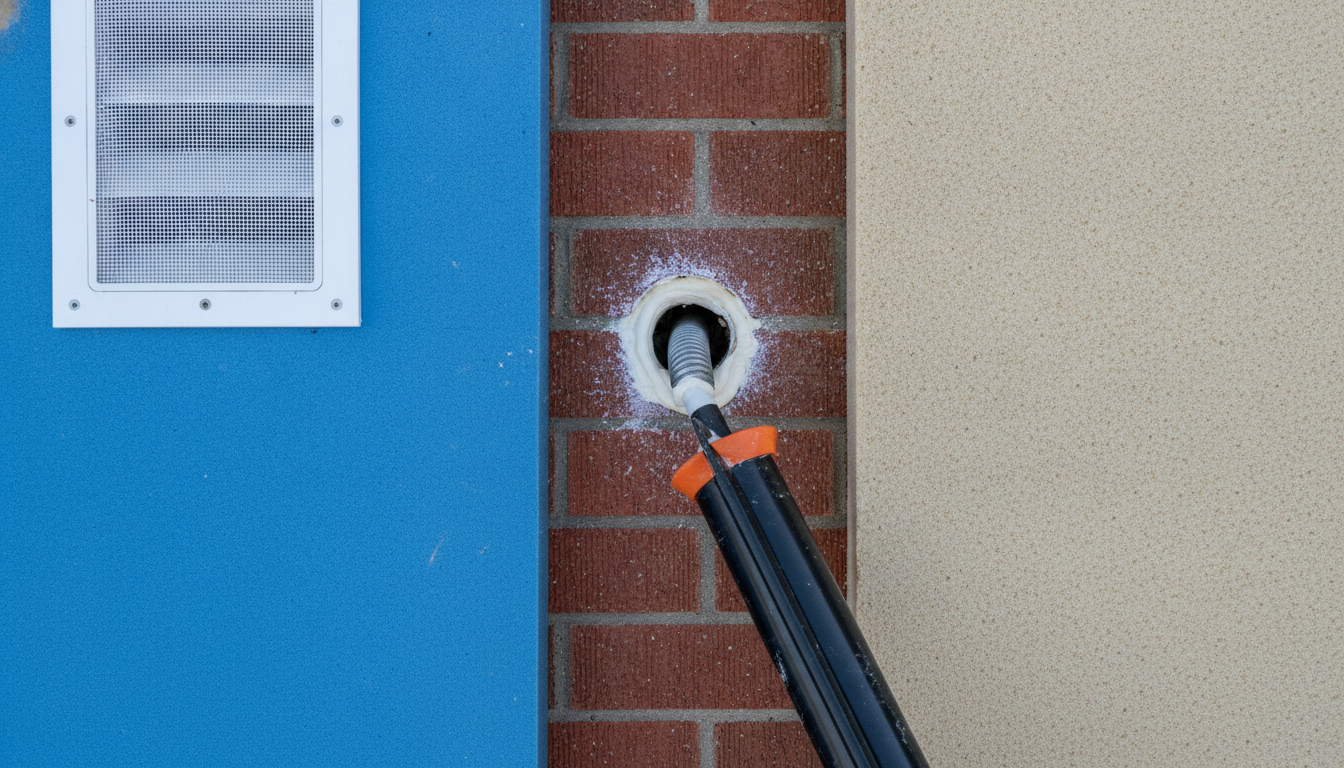
Cold air infiltration is what makes otherwise protected pipes vulnerable. A gap as small as 1/4 inch around a pipe penetration through an exterior wall lets in enough frigid air to freeze the pipe on a cold night. Use the following materials to seal those gaps:
- Spray foam insulation- Use low-expansion foam around pipe penetrations through walls and sill plates.
- Caulk- Apply around any gaps where pipes enter cabinets on exterior walls (especially under kitchen and bathroom sinks).
- Rigid foam board- Cut and fit pieces inside crawl space vents during severe cold snaps, then reopen them once temperatures rise above freezing.
Don't forget your garage. If water supply lines run through an attached garage - common in homes with laundry hookups - insulating that space or keeping the garage door closed during cold nights makes a significant difference.
3. Keep Your Thermostat Consistent
Dropping your thermostat to 55°F at night to save on heating bills is fine. Dropping it to 50°F or below when your home has pipes on exterior walls is not. The minimum safe interior thermostat setting to protect pipes in a typical home is 55°F - but 60°F is a safer target if you have known vulnerable pipe locations.
If you're leaving for a vacation, do not turn your heat off entirely. Set it to 60°F and ask a neighbor to check the home during sustained cold snaps. A burst pipe while you're away for two weeks is a catastrophically expensive outcome compared to the cost of keeping the furnace running at a low setting.
4. Open Cabinet Doors Under Sinks
On nights when the forecast drops below 20°F, open the cabinet doors under kitchen and bathroom sinks that are positioned against exterior walls. This allows warm interior air to circulate around the pipes. It costs nothing and takes ten seconds.
While those doors are open, let the cold-water side of the faucet drip slowly - a trickle of 1–2 drops per second is enough. Moving water freezes at a lower temperature than still water, and the slight pressure relief reduces the risk of a pipe rupturing even if some freezing does occur.
5. Disconnect and Drain Outdoor Hose Bibs
Outdoor hose bibs (spigots) are among the most commonly forgotten pipe freeze points. Water left in the supply line behind a hose bib will freeze and crack the pipe inside your wall. Before the first hard freeze each fall:
- Disconnect all garden hoses from outdoor spigots.
- Turn off the interior shut-off valve that feeds each outdoor spigot (most homes built after 1990 have these).
- Open the outdoor spigot and let residual water drain completely.
- Install a foam spigot cover (available for under $5) for added insulation.
If your home has a frost-free sillcock (also called an anti-siphon hose bib), it's designed to drain automatically - but only if no hose is attached when the water is shut off. Always disconnect your hose first, or the frost-free feature is defeated.
6. Know Where Your Main Shut-Off Valve Is
Preparation means nothing if you can't respond fast when a pipe does freeze or burst. Every adult in your household should know exactly where the main water shut-off valve is located and how to close it within 60 seconds. In most homes, it's in the basement, utility room, or near the water meter.
Label the valve clearly with a tag. If the valve is old and difficult to turn, replace it with a ball valve - a quarter-turn ball valve is faster and more reliable than an aging gate valve.
Frozen vs. Burst Pipes: What's the Difference and What to Do
Situation
Signs
Immediate Action
Frozen pipe (not yet burst)
Little or no water flow from a faucet; visible frost on pipe
Apply a hair dryer or heating pad - never open flame. Keep the faucet open to relieve pressure.
Burst pipe
Water spraying or pooling; bulging pipe; sudden pressure drop
Shut off the main water supply immediately, then call a licensed plumber.
Suspected frozen pipe (no visible access)
No water from one fixture only; no other symptoms
Turn up interior heat, open cabinet doors, and monitor. Call a plumber if flow doesn't return within 30 minutes.
Prevention Checklist: Before the First Hard Freeze
- ✅ Insulate all pipes in unheated spaces with foam sleeves or heat tape
- ✅ Seal air gaps around pipe penetrations with spray foam or caulk
- ✅ Set thermostat minimum to 60°F, even when away
- ✅ Disconnect and drain all outdoor hoses and spigots
- ✅ Locate and test the main shut-off valve
- ✅ Open under-sink cabinet doors on extreme cold nights
- ✅ Let at-risk faucets drip during temperatures below 20°F
At what temperature do pipes freeze?
Pipes begin to freeze when air temperatures surrounding them drop to 20°F (-6°C) or below and stay there for several hours. However, pipes on exterior walls in poorly insulated spaces can start freezing at temperatures as high as 32°F if air infiltration is severe. Wind chill does not directly affect pipes inside walls, but it accelerates heat loss from the wall assembly itself.
Does letting a faucet drip really prevent frozen pipes?
Yes. Letting the cold-water side drip at 1–2 drops per second accomplishes two things: it keeps water moving (which resists freezing) and it relieves pressure buildup. A pipe that freezes but has a pressure-relief path - an open faucet - is far less likely to burst than one that is sealed on both ends. Focus on faucets fed by pipes on exterior walls.
How much does it cost to repair a burst pipe?
Pipe repair alone typically runs $500–$1,500 depending on pipe location and material. If water damage to drywall, flooring, insulation, or structural framing is involved - which is common when a pipe bursts while a homeowner is away - total remediation costs routinely reach $5,000–$15,000 or more. Homeowner's insurance generally covers sudden, accidental burst pipes, but not gradual leaks or damage caused by negligence like turning off the heat entirely in winter.
What's the best pipe insulation for an unheated crawl space?
For crawl spaces that regularly fall below 20°F, use self-regulating electric heat tape applied directly to the pipe, covered with a foam pipe sleeve for added protection. For crawl spaces that stay above 20°F on most nights, 3/8-inch-wall foam pipe sleeves are sufficient and cost-effective. Always pair insulation with air sealing - foam alone won't protect a pipe that has direct cold-air infiltration blowing against it.
Should I shut off the water if I'm leaving home for an extended period in winter?
Shutting off the main water supply and draining the pipes is the most reliable protection if your home will be vacant for more than a week during winter. Turn off the main valve, then open faucets at the lowest and highest points in the house to drain residual water. This eliminates the risk entirely. If you keep water on, maintain interior heat at a minimum of 60°F and arrange for someone to check the property during any extreme cold events.